Choosing a perfume manufacturer: how can you ensure quality in fragrance manufacturing?
In perfumery, quality is built into every stage of the development process: from the receipt of raw materials and components, through manufacturing, filling and technical documentation, to the delivery of the finished product.
When a beauty, fashion, lifestyle or retail brand decides to launch a fragrance, it has to entrust a very important part of its identity to a manufacturer. That is why choosing an industrial partner should not depend solely on production capacity or price. The real difference lies in how that manufacturer manages quality, traceability, documentation and batch-by-batch control to prevent incidents.
For a fragrance to reach the shelf, it must not only live up to the expectations of its olfactory composition, but also be stable, safe and meet all regulatory requirements.
The perfume formula, its raw materials, packaging, labelling and documentation must all be aligned so that the product can reach the market with full guarantees.
In this sense, quality in perfume manufacturing means controlling aspects such as:
- Conformity of raw materials and components.
- Concentration, blending and maceration of the formula.
- Formula-packaging compatibility.
- Component assembly, labelling and boxing.
- Batch traceability.
- Technical and regulatory documentation.
A good third-party perfume manufacturer must work with a system that ensures quality at every stage of the process: one that can prevent deviations, document controls and guarantee the consistency of the final product.
Quality control at every stage of the perfume production process
In perfume manufacturing, controls must be built into the entire process. Quality cannot rely on the final inspection alone.
-
Receipt of raw materials and components
The first control starts before manufacturing. Raw materials, bottles, labels, cases and other components must be checked to confirm that they meet the agreed specifications.
This step is key because an incorrect component or a compatibility issue can affect the final result of the perfume.
-
Formulation and manufacturing
During the manufacturing phase, control focuses on ensuring that the formula is prepared in accordance with the project specifications.
This is where concentration, blending, process times and the correct identification of each batch come into play.
In perfumery, precision is essential: small variations can affect olfactory perception, stability or consistency between production runs.
-
Maceration and filtration
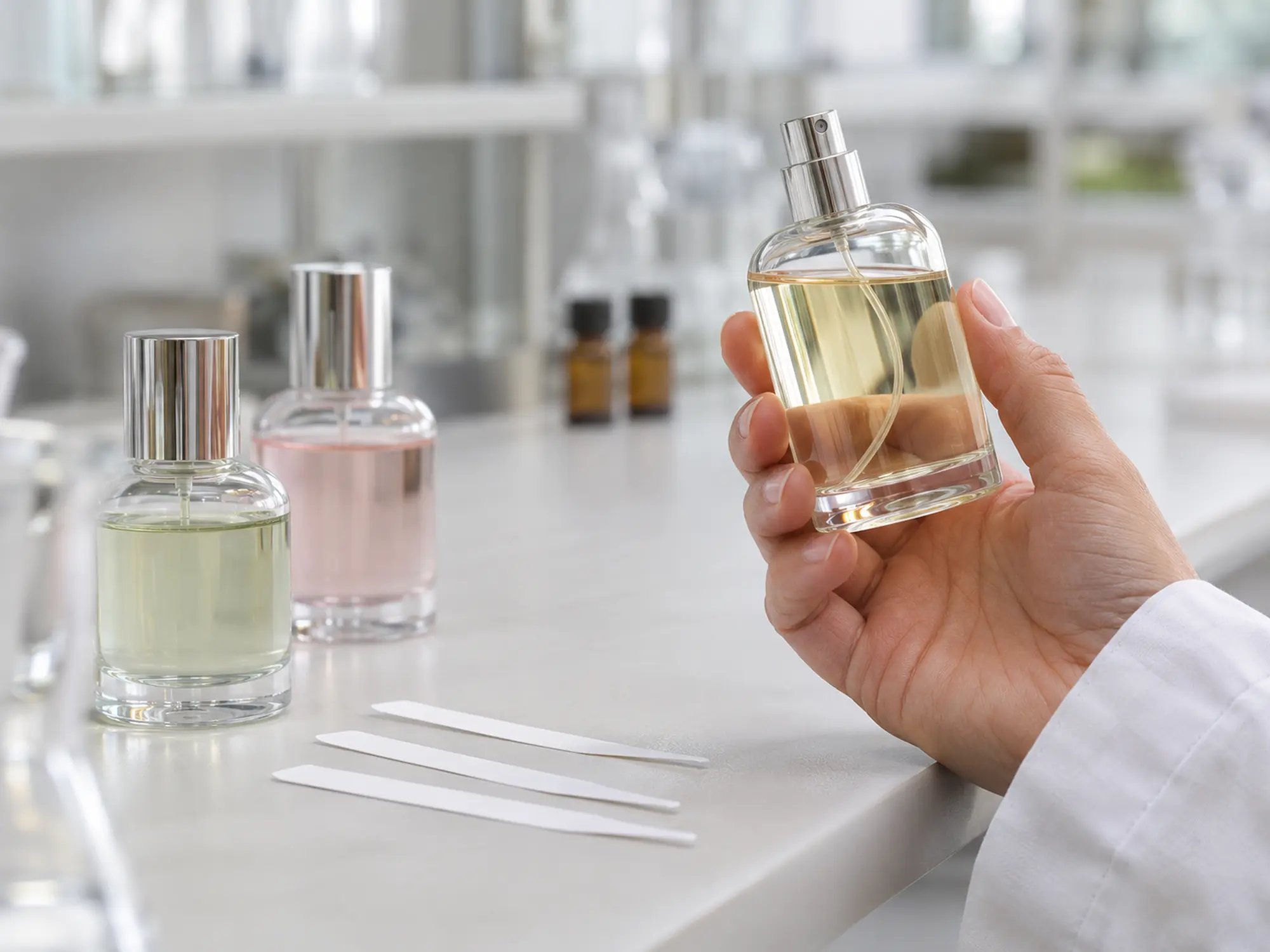
Maceration allows the fragrance to evolve and stabilize before the next stages. Filtration then helps to obtain a clean product that is ready for filling.
These processes must be controlled to ensure that the perfume retains its expected characteristics before it reaches the production line.
-
Packaging and final conditioning
Packaging is a critical stage because it connects the formula with the consumer’s final experience.
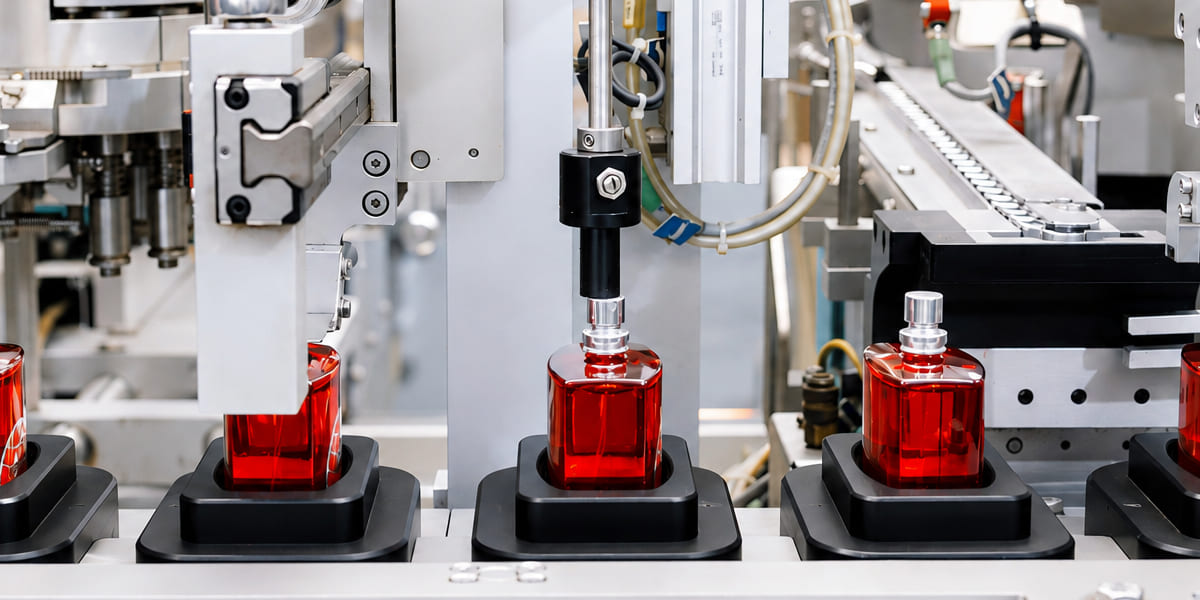
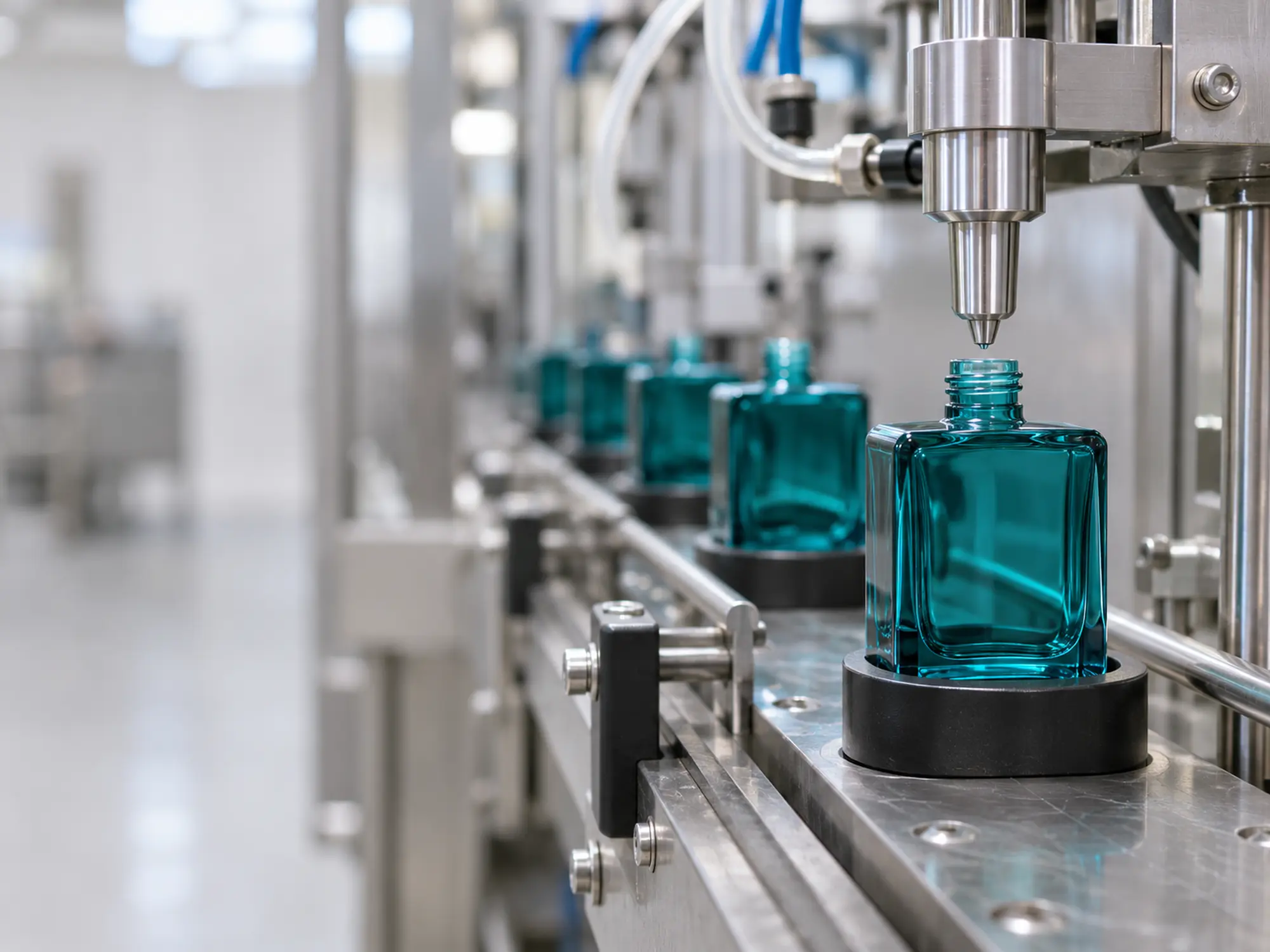
Filling, boxing, visual inspection and logistics preparation must follow clear specifications. A premium perfume must not only smell good; it must also be presented correctly and meet the brand’s visual and functional standards.
Batch-by-batch traceability: every perfume must be accounted for
In perfume manufacturing, traceability is a guarantee of control. It makes it possible to trace a product’s journey from the origin of its raw materials and components to the final batch delivered to the client. This is especially important for brands that operate in international markets, demanding distribution channels or projects with specific regulatory requirements.
A traceability system should be able to answer questions such as:
- Which raw materials were used?
- Which supplier did they come from?
- Which fragrance batch was used?
- Which components were part of the product?
- When was it manufactured?
- Which controls were carried out?
- What documentation accompanies the batch?
- Which market was it intended for?
This information does more than provide peace of mind. It also makes it possible to act quickly if an incident arises, carry out internal checks and facilitate audit processes.
At Air-Val Perfumes we work with traceability and document control so that every batch can be identified, reviewed and documented.
Technical documentation: an essential part of quality
A specialist perfume manufacturer must be able to support the project with technical and regulatory documentation tailored to the product and its target markets.
Depending on the scope of the project, this documentation may include:
- IFRA certificate
- SDS
- COA
- Allergen declaration
- Product technical data sheet
- PIF
- Batch documentation
- Market-specific regulatory support
For a brand, having complete, well-organized documentation makes commercialization easier, reduces risks and provides confidence when working with distributors.
At Air-Val Perfumes we work to standards such as ISO 22716 GMP, ISO 14001 and SMETA/Sedex, with IFRA compliance, technical documentation, traceability and regulatory support according to the scope of each project.
Olfactory quality
The quality of a perfume has two dimensions. On the one hand, there is olfactory quality: the fragrance must match the brief, reflect the brand’s positioning and maintain sensory consistency. On the other, there is what we might call industrial quality: the fragrance must be scalable to a consistent standard.
A creatively brilliant fragrance can fail if it is not industrialized correctly. And flawless manufacturing loses value if the olfactory proposal does not reflect the brand’s universe.
Air-Val Perfumes: quality, traceability and industrial capacity
As a specialist perfume manufacturer with more than 45 years of experience, Air-Val Perfumes puts all its expertise at the service of its partners to deliver the highest quality in every fragrance project.
From our plant in Gavà, Barcelona, we support beauty, fashion, lifestyle, retail and perfume brands looking to develop, manufacture or scale fragrances to European standards and with an international vision.
We have a 12,000 m² plant, 12 production and packaging lines and the capacity to produce up to 75 million units per year.
This industrial scale allows us to handle perfumery projects with full control and room to grow.
Our approach integrates quality and regulatory compliance from the earliest stages of the project, so that creative, technical and industrial decisions move forward in a coordinated way.
What should you expect from a perfume manufacturer?
Before choosing a third-party perfume manufacturer, a brand should ask itself a few key questions:
- What controls does it apply during the process?
- How does it ensure batch-by-batch traceability?
- What technical documentation does it provide?
- Does it work to verifiable standards?
- Is it audit-ready?
- How does it handle incidents?
- How does it protect the formula, the brief and the launch timeline?
- Can it scale production while maintaining consistency?
These questions help you assess whether you are dealing with a simple supplier or a true industrial partner.
Looking for a perfume manufacturer that offers every quality guarantee?
At Air-Val Perfumes we help brands that want to launch, develop or scale fragrances with confidence, confidentiality and an international vision.
Tell us about your project and we will help you turn it into a market-ready fragrance.