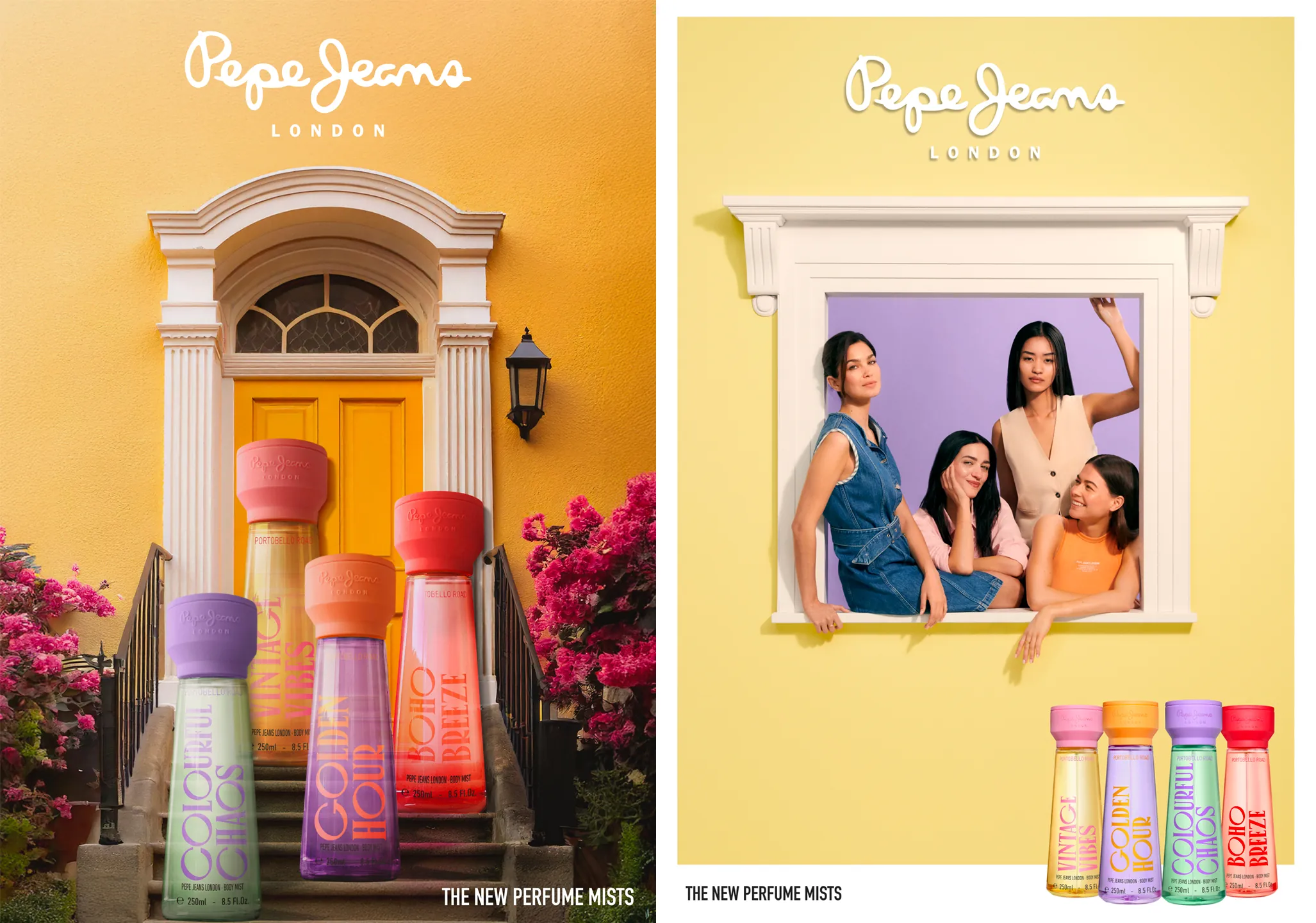
Beauty, fashion, lifestyle, retail and distribution brands are adding perfumes to their offering to broaden their brand universe and connect with the consumer on a more emotional level. It is a fact that the fragrance category has taken on a dynamism that is opening up new opportunities for brand growth. The consultancy Euromonitor forecasts that fragrances will contribute 23% of the growth of the beauty and personal-care market through 2029, with an annual growth rate of around 5%.
In this context, working with a private label perfume manufacturer makes it possible to develop your own line of fragrances in an agile and efficient way. Also known as white label, this model allows brands to launch perfumes under their own identity, drawing on the experience, industrial capacity and regulatory expertise of a third-party manufacturer.
In this sense, Air-Val Perfumes offers you the possibility of choosing a catalogue fragrance that fits your brand’s positioning, which we will then work on to give it a differential olfactory profile with personalized packaging.
What does private label perfume mean?
In perfumery, the private label model allows a brand to launch its own perfume starting from an olfactory base already developed by the manufacturer.
Unlike a full-service development created entirely from scratch, the private label option provides a faster route to market. The brand can select an existing fragrance or a previously developed olfactory family, adapt it to its positioning and personalize key elements such as the bottle, cap, label, case, and so on.
The goal is to create a perfume marketed under the brand’s identity, but developed and manufactured by an external specialist, ready to compete: attractive, stable, compliant with regulatory requirements and aligned with the brand values.
Why choose a third-party manufacturer specialized in perfumes?
Working with a third-party manufacturer specialized in perfumery brings security in the critical phases of the project:
- Fragrance selection
- Adaptation to the brand positioning
- Compatibility between formula and packaging
- Component sourcing
- Product stability
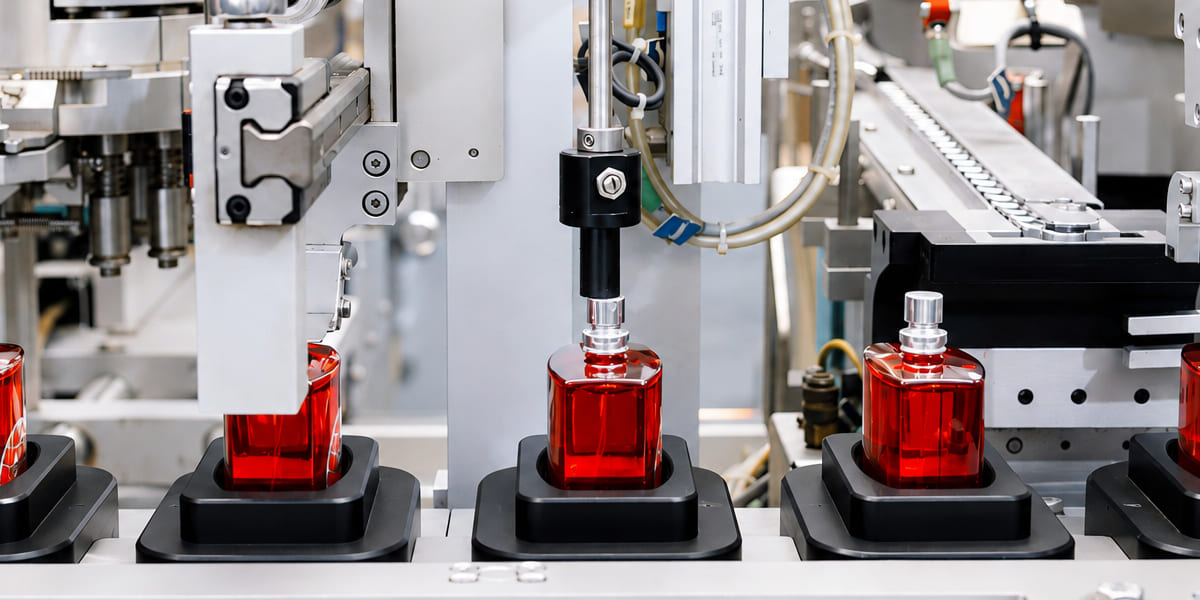
- Manufacturing and packaging
- Technical documentation
- IFRA compliance
- Batch-level traceability
- Regulatory support for different markets
Working under the private label model makes it possible to move forward with clarity, reducing risks. The goal is not just to launch a perfume quickly, but to launch a perfume that makes sense for the consumer, for the sales channel and for the markets where it will be sold.
When does it make sense to choose a private label model?
The private label model is especially interesting for brands that want to enter perfumery with a tighter timeline or a more controlled investment than a fully bespoke development.
It can be a good option for:
- Retailers that want to develop their own line of perfumes.
- Fashion brands looking to expand their olfactory universe.
- Beauty brands that want to complement their portfolio.
- Distribution chains looking for exclusive collections.
- Lifestyle brands that want to create gift products.
- Companies that need speed to launch.
- Projects that want to validate a category before investing in a full-service development.
It can also be useful for seasonal campaigns, capsule collections, limited editions, discovery sets, body mists or high-turnover lines.
Launching a fragrance project? Let's talk
What should a good private label perfume manufacturer have?
Choosing a private label manufacturer should not be based solely on the catalogue of available fragrances. The quality of the partner is measured by its ability to support the project end to end:
1. A curated olfactory catalogue
The brand needs access to well-built, current olfactory proposals that are adaptable to different positionings: fresh, floral, gourmand, woody, clean, sophisticated or functional.
To meet this need, it is vital to stay on top of the market’s constantly evolving trends. For example, Mintel notes that today’s consumer buys perfumes to reinforce their identity and wellbeing. “45% of consumers under 45 use perfume to express themselves through fragrance”, indicates the consultancy.
In addition, the manufacturer must help select the option that best fits the brand, the consumer and the channel.
2. Product personalization
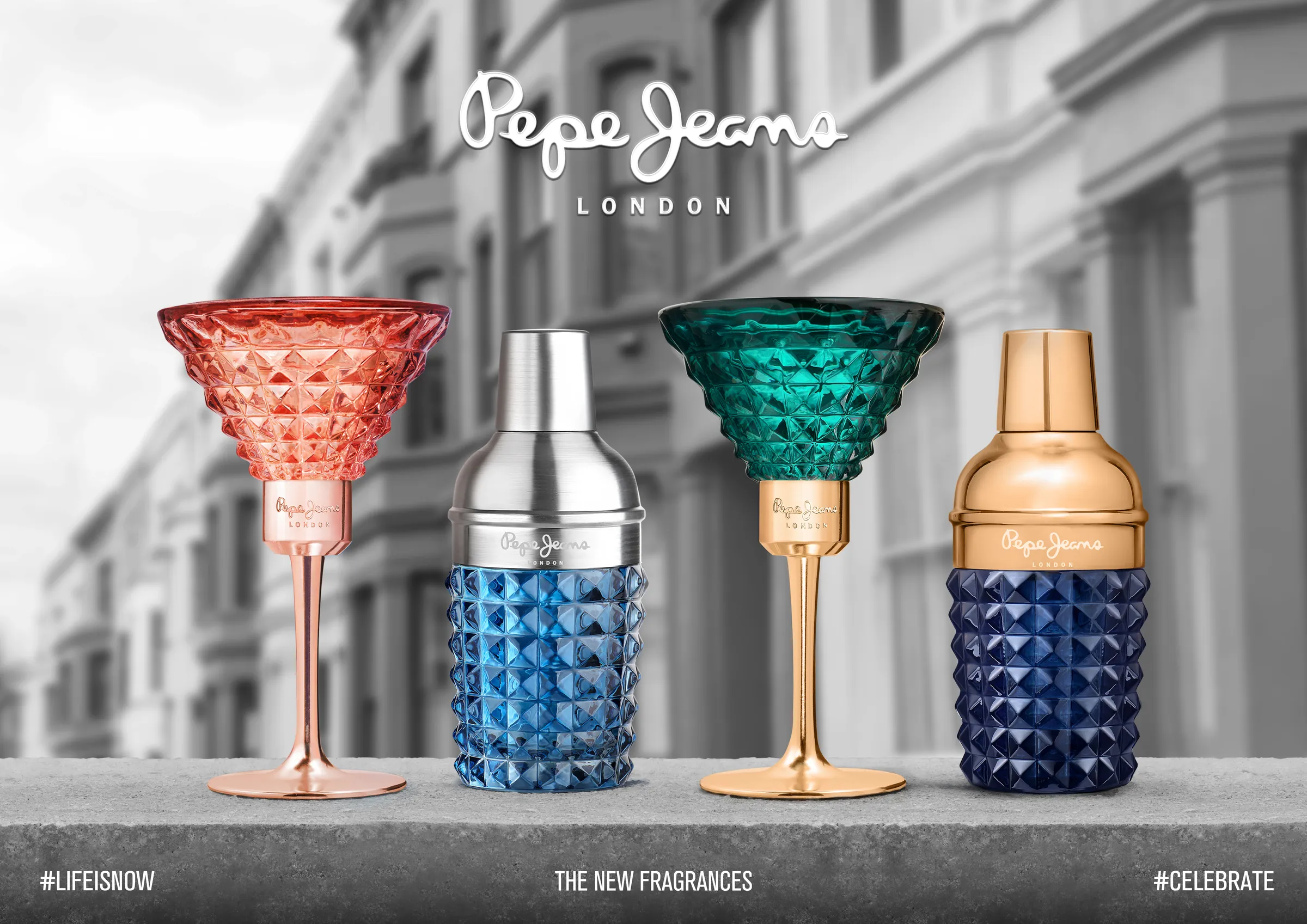
Private label should make it possible to build identity: bottle, cap, label, case, finishes, etc., are elements that directly influence the perception of value.

3. Industrial capacity
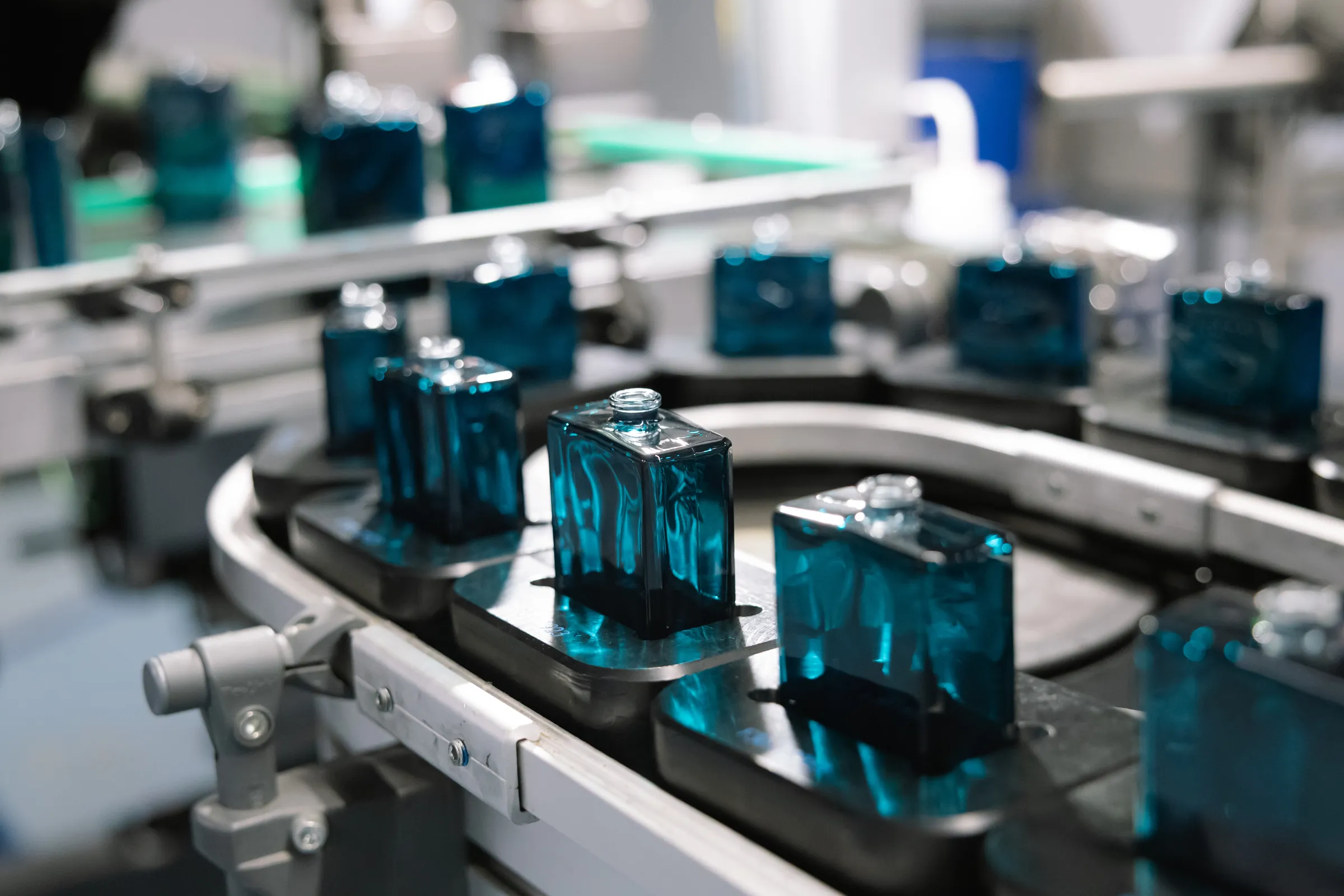
For the fragrance to be stable over time and scalable, the manufacturer’s industrial capacity is key. Continuity, timelines, quality control and traceability must all be ensured.
4. Quality and regulatory
The manufacturer must work to quality standards and provide technical documentation: IFRA certificate, SDS, COA, allergen declaration, technical data sheet, PIF and regulatory support by market.
5. Confidentiality
Even though the private label model starts from existing solutions, the brand project remains strategic. Naming, packaging, launch calendar, markets, positioning and commercial development must be treated confidentially. A professional partner must protect that information from the outset.
What does Air-Val Perfumes offer in private label perfumery projects?
Air-Val Perfumes operates as a European third-party perfume manufacturer, supporting brands that want to launch or expand their fragrance line with a flexible, industrial, market-ready model. We work across three collaboration models to adapt to any type of project: full service, contract manufacturing and private label.
Our Private Label service is designed for brands that want to develop perfumes, body mists, gift sets or other olfactory formats with greater agility, without giving up quality, personalization or technical support.
We bring 45 years of experience in perfumery, high industrial capacity and support throughout the entire project.
We help you make decisions:
- What emotion the fragrance should convey.
- Which olfactory family fits your brand.
- Which format makes the most sense.
- Which concentration best responds to your positioning.
- Which packaging to choose to reinforce the perception of value.
We turn a private label solution into a personalized, strategy-driven project for entering perfumery. And we help you move forward through each phase in an orderly way, so your perfume progresses with control and confidence.
Are you looking for a private label perfume manufacturer?
If your brand wants to launch its own fragrance, expand its portfolio or explore perfumery as a new growth category, Air-Val Perfumes can help you choose the most suitable model.
Tell us about your project and we will help you turn it into a market-ready fragrance.